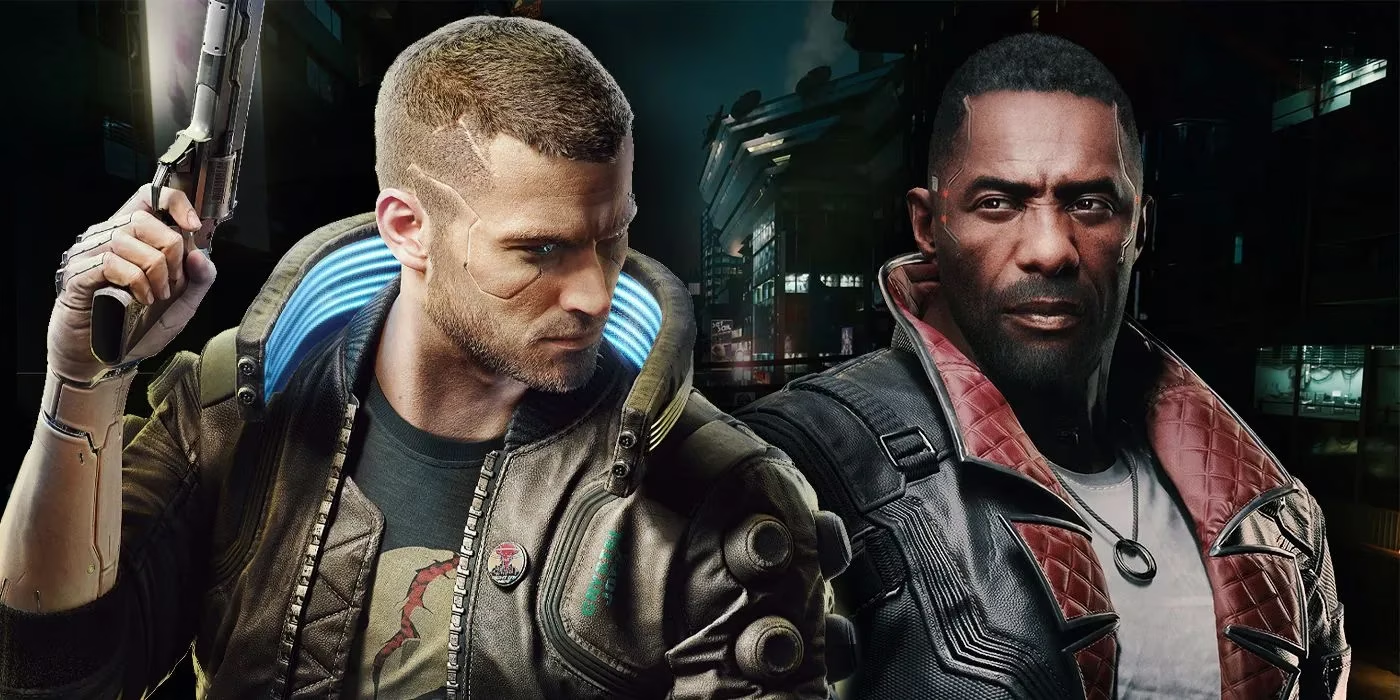
In 2026, Cyberpunk 2077: Phantom Liberty is no longer an upcoming expansion; it has been part of Night City for years. Yet one of the most persistent disappointments surrounding the spy-thriller DLC remains unchanged: players still cannot drive the game's flying cars. Phantom Liberty released on September 26, 2023, and it delivered Dogtown, a tense story involving President Rosalind Myers, a memorable role from Idris Elba, and a major rework of vehicles and combat. Even so, the most exciting vehicular fantasy in Cyberpunk 2077—taking an AV or flying car into the open skies above Night City—remains locked away from players. The expansion is the RPG's first and last paid expansion, which makes its boundaries especially important. What Phantom Liberty includes is impressive; what it still excludes says just as much about CD Projekt Red's design philosophy.
Vehicle Combat Arrives, But Flight Does Not
Phantom Liberty did not ignore vehicles. It essentially reworked Cyberpunk 2077 by revamping many systems, and one of the most visible changes was vehicle combat. V can now use weapons while driving, perform GTA-style drive-bys, battle rival gangs from behind the wheel, and escape the NCPD's improved police system. Minigun-mounted armored vehicles also entered the market, giving players more ways to turn Night City's streets into a warzone.
However, flying cars were never part of that conversation. The expansion added new cars, new weapons, and new ways to fight, but it did not add controllable flight. Players can still only ride in an air vehicle during a handful of mission-related occasions. The skyline remains a backdrop, not a playground.
A Confirmation That Never Really Changed
Long before Cyberpunk 2077 launched, CD Projekt Red addressed the flying car question. In an interview, Level Designer Max Pears stated that 'the main way to get through will be on foot, cars, and bikes.' Although the base game failed to meet many of its launch promises, that particular limitation remained true. V could ride in an AV when a mission demanded it, but V could not buy, summon, or freely pilot one.
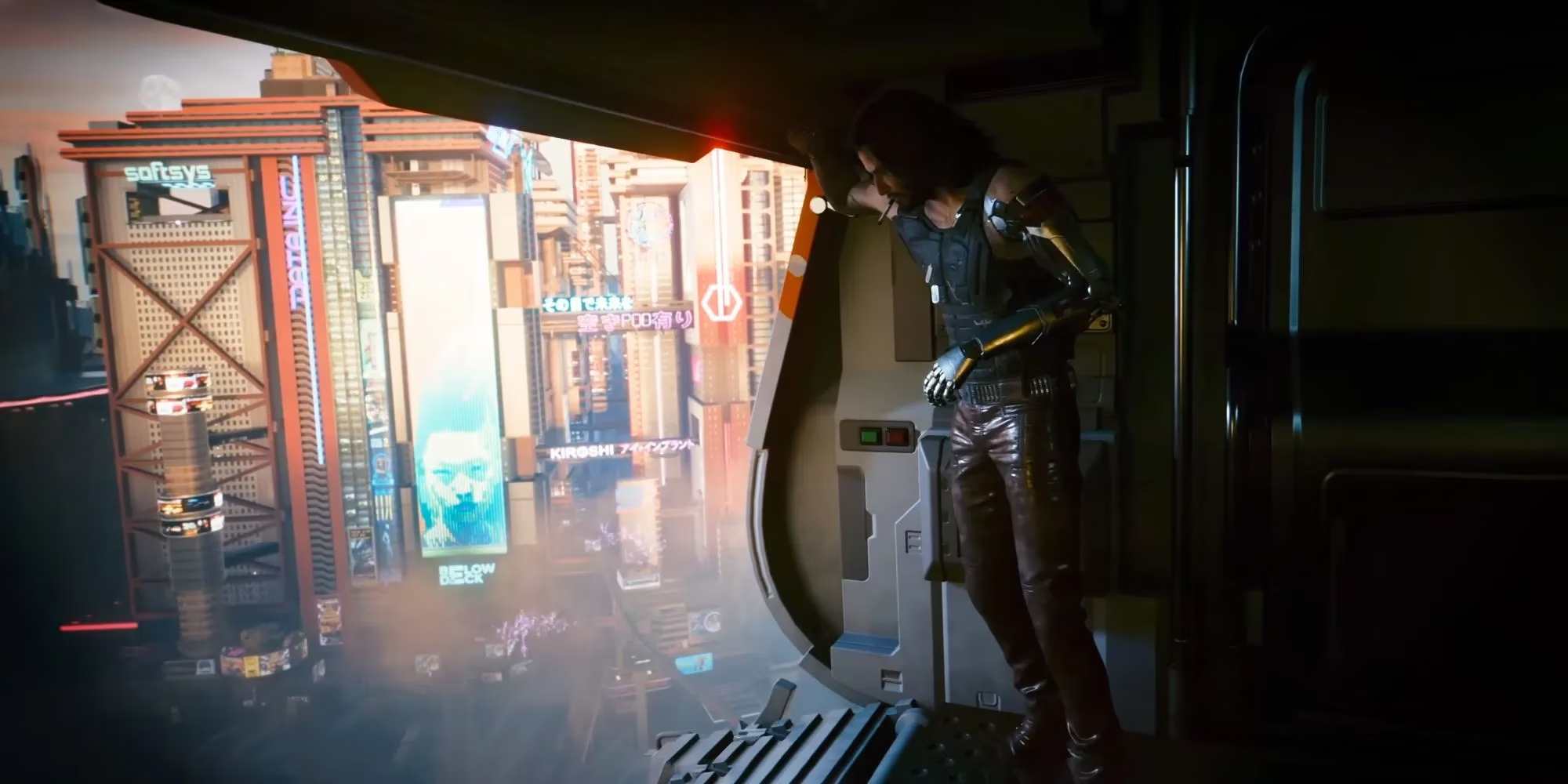
By the time Phantom Liberty arrived, CDPR had spent years updating the base game. If the studio had somehow realized the flying vehicle dream, it would likely have been a marketing centerpiece. Trailers would have shown V soaring over Dogtown. Instead, the expansion's trailer featured V standing in an AV with Johnny Silverhand, overlooking the glowing cityscape. That moment looked like an emotional cutscene, not gameplay. It suggested a mission-locked sequence at best, not a new open-world traversal system.
Why Flying Cars Would Not Fit V's Story
The absence of flying cars is disappointing, but it is also understandable. In the context of V's story and status within Night City, owning and driving a flying car would make little sense. These vehicles do not follow standard traffic laws. They are literally above everyone on the streets. They are reserved for MaxTac, Trauma Team, or those with obscene corporate wealth.
V may become a legendary mercenary by the end of the game, but V remains at the bottom of the barrel compared with society's more fortunate participants. Giving players the option to buy and drive flying vehicles would undermine Cyberpunk 2077's themes. The story warns about the dangers of a hyper-capitalistic society. A personal flying car would feel like a moment of victory, a symbol that V made it to the top. While players might enjoy seeing their character thrive, the dystopian RPG is not meant to have a happy or feel-good ending. Phantom Liberty's new ending could change some precedents, but it does not change this one.
Flight Would Ruin Night City's Ground-Level Design
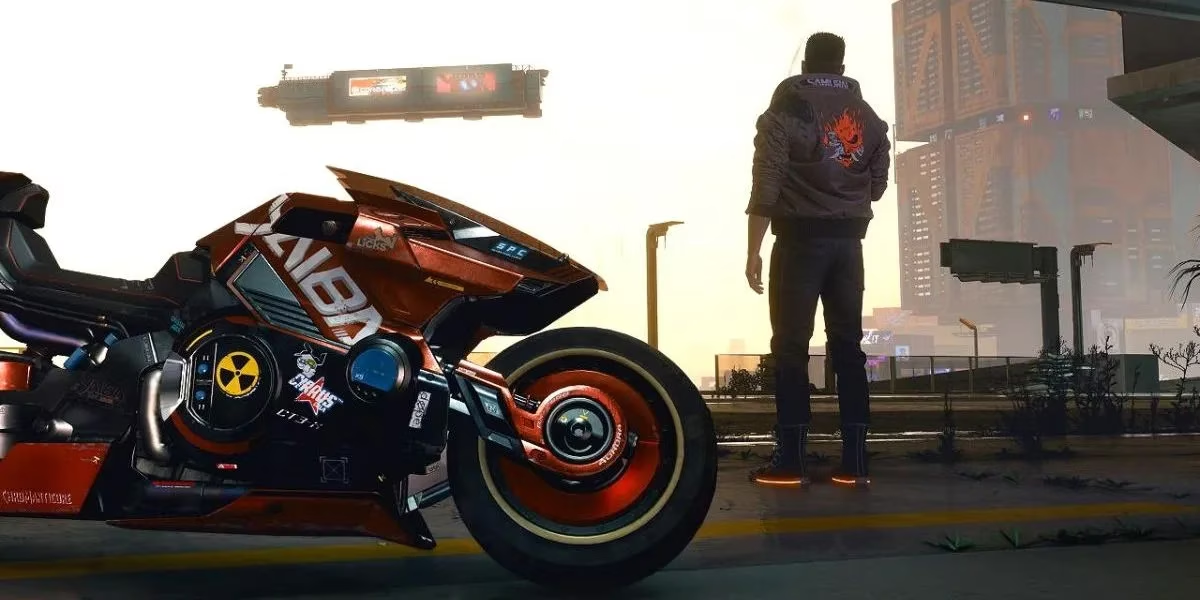
From a game design standpoint, flying vehicles would also create problems. If players could fly above the city ad infinitum, the game's sense of exploration would suffer. Cyberpunk 2077's districts, their inhabitants, and their subcultures are integral to the world and story. Walking through them, or at least driving through them by car or bike, is the primary way players learn about Night City and immerse themselves in it.
If V could fly from point A to point B without any snags, many players would understandably take advantage of the convenience. That would greatly reduce the incentive for land exploration. Players would likely miss some of the game's best quests, secrets, and activities on the ground. The result would be a less rounded gameplay experience. Night City is not just a skyline; it is the alleys, markets, gangs, ripperdocs, and conversations that happen at street level.
The 2026 Perspective
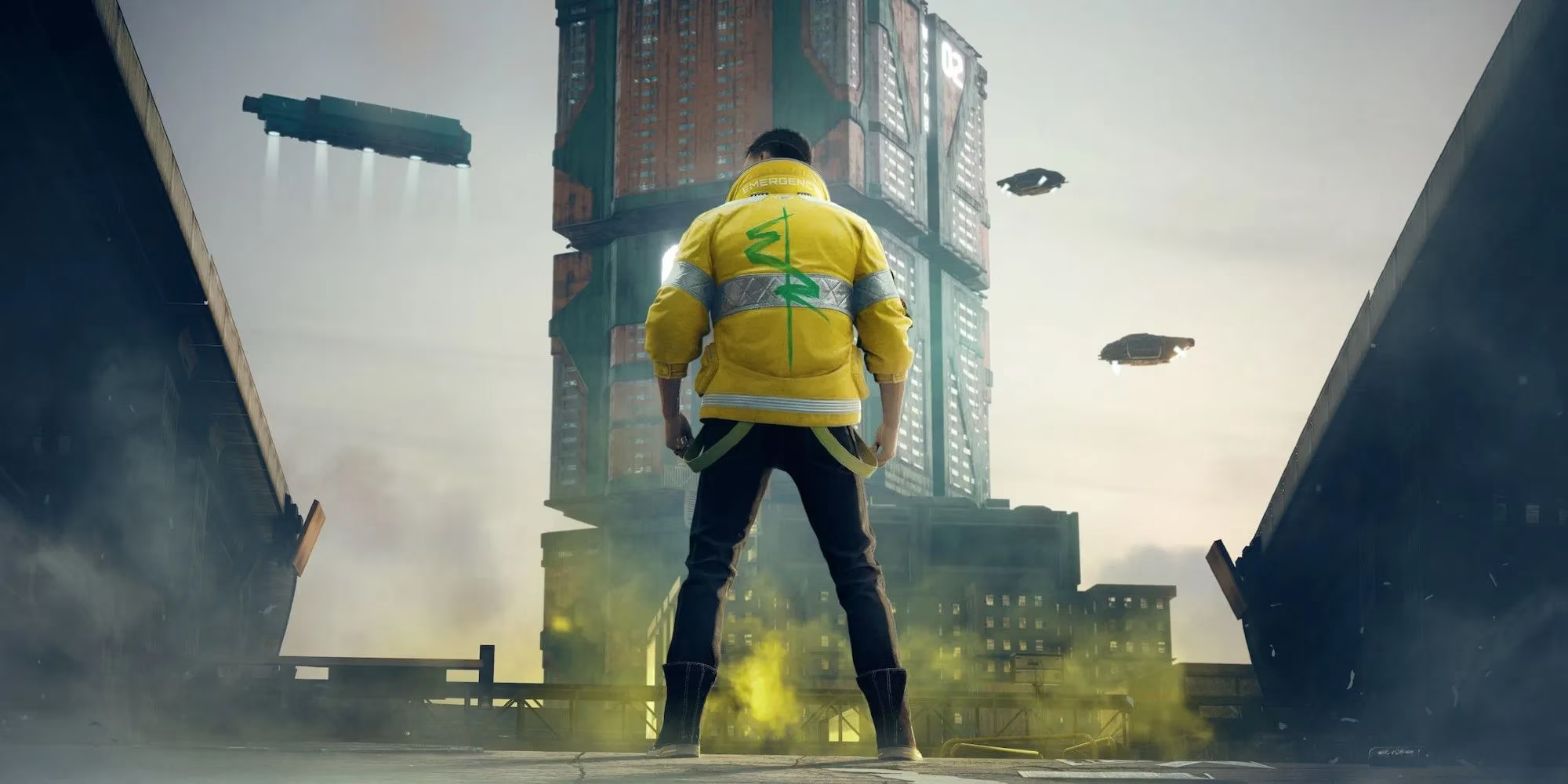
By 2026, the situation is clear. Phantom Liberty remains Cyberpunk 2077's first and last expansion. CD Projekt Red has moved on to other projects, including the next Cyberpunk game, but the original RPG's official flying car feature never materialized. On PC, mods can fulfill the fantasy for players who are determined to soar above Night City. For everyone else, the official experience remains grounded.
| Feature | Phantom Liberty Status |
|---|---|
| Vehicle combat | ✅ Added |
| Drive-bys and gang battles | ✅ Added |
| Improved police system | ✅ Added |
| Minigun-mounted armored vehicles | ✅ Added |
| Controllable flying cars | ❌ Not added |
| Free-roam AV flight | ❌ Not added |
Conclusion
Ultimately, Phantom Liberty offers a richer Night City, not a higher one. The expansion improves vehicles, combat, and storytelling, but it refuses to break the world's rules by handing V a flying car. That choice may frustrate players who dream of soaring over Dogtown, yet it protects the game's themes and its ground-level exploration. For edgerunners dead-set on flying, mods remain an option. For everyone else, sticking to the streets of Night City is not a limitation to mourn. It is the way the dystopia was always meant to be experienced.