As I sit here in 2026, looking back at the rollercoaster journey of Cyberpunk 2077, it's still a bit surreal, you know? From its, let's be honest, rocky launch to its phenomenal redemption arc with the Phantom Liberty DLC, Night City has left an indelible mark on the gaming landscape. Now, with CD Projekt Red confirming that Phantom Liberty was the one and only expansion, all eyes have shifted to the horizon—to the highly anticipated sequel, codenamed Project Orion. While details are as scarce as an honest corpo in Night City (the developers have only confirmed it's in the conceptual design phase), the fan community is already buzzing with hopes and dreams for what this next chapter could bring. Based on the legacy of the first game and the rich lore of the Cyberpunk universe, here are the features that could make Project Orion not just a sequel, but a revolution.
1. Rogue AI War: The Inevitable Conflict
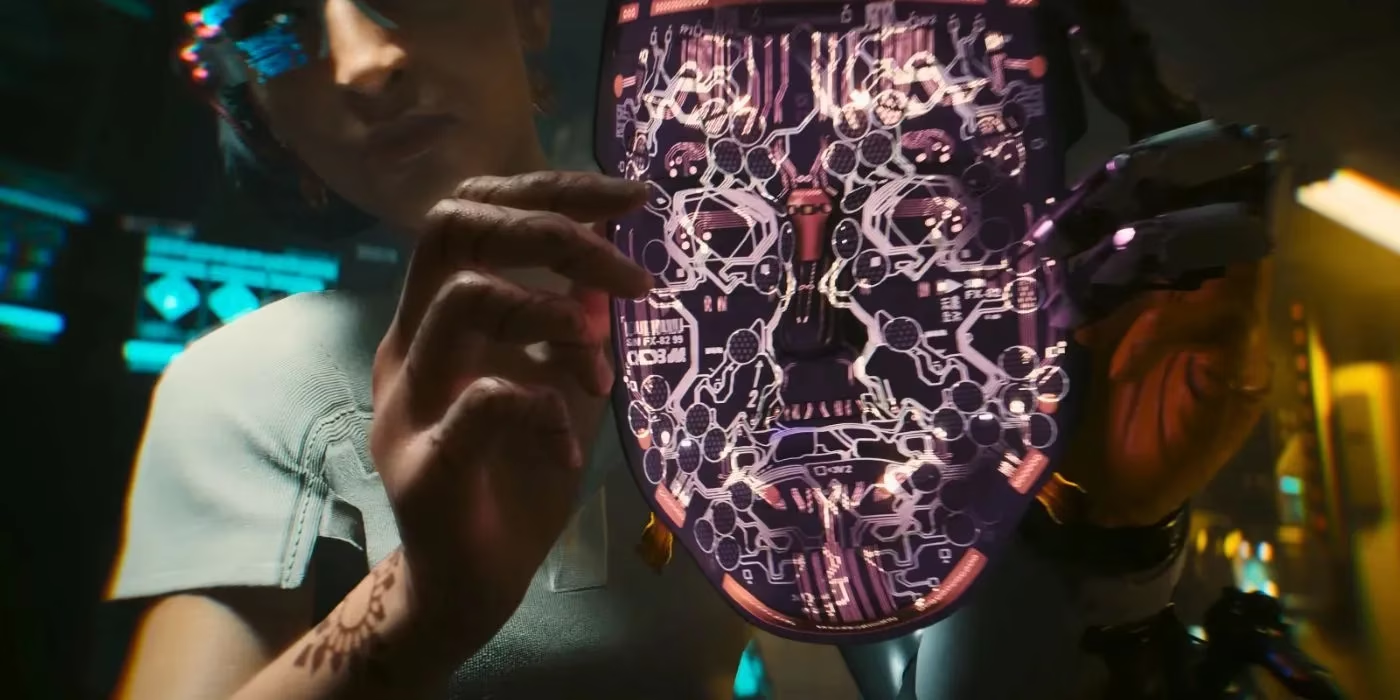
The writing has been on the wall, or should I say, on the Blackwall. Both the base game and Phantom Liberty hammered home a terrifying reality: rogue AIs are knocking at the door, and humanity's flimsy digital barrier won't hold forever. This isn't just background noise; it's a ticking time bomb for the sequel's plot. Whether Project Orion makes this all-out war the central narrative or uses it as a pervasive, looming threat, delving deeper into this conflict is non-negotiable. Imagine missions where you're not just fighting gangs or corpos, but negotiating with—or running from—digital gods who see humanity as obsolete. Now that's a dystopian future.
2. Mech Battles: Unleash the Metal Titans
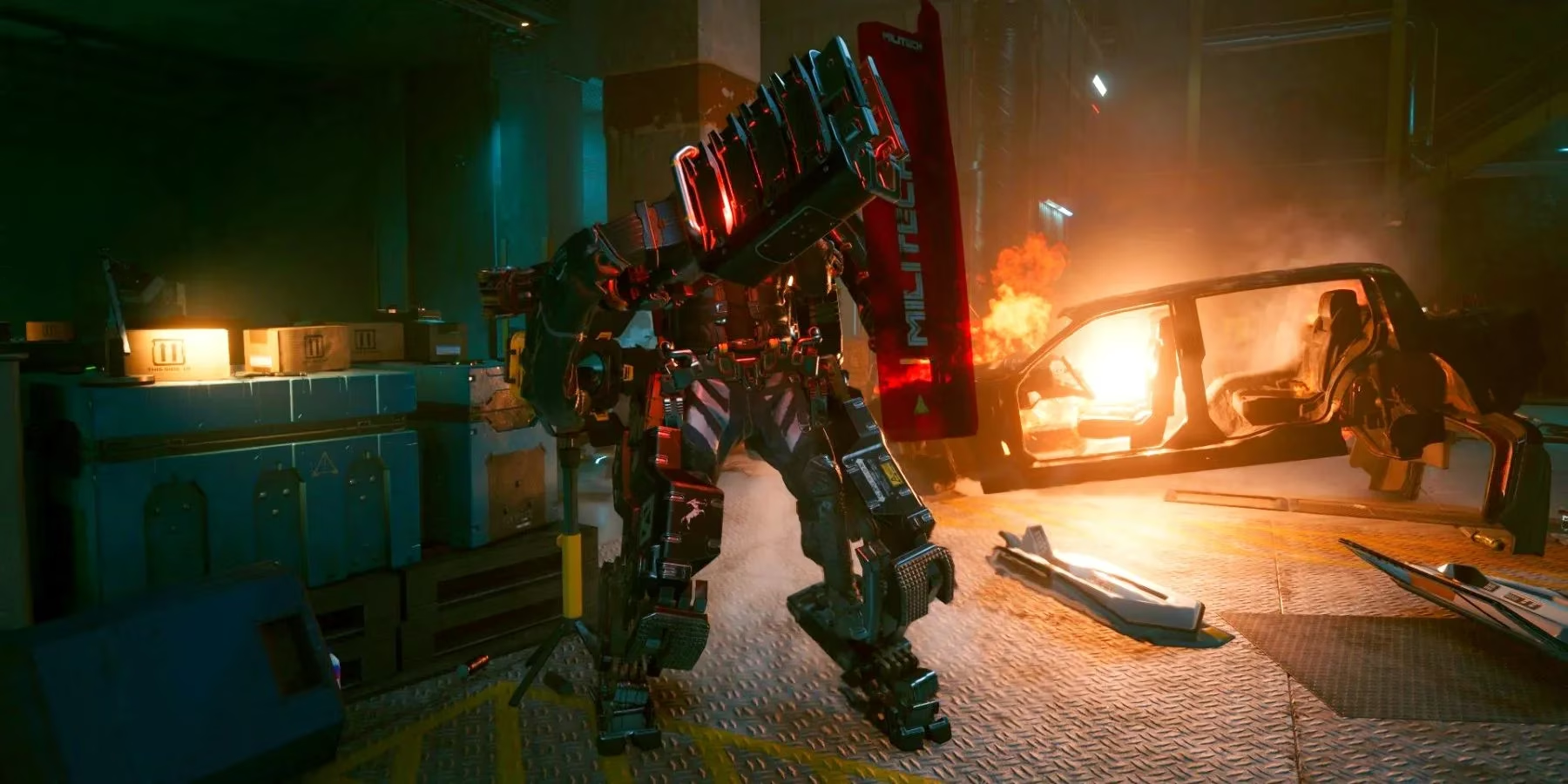
Come on, in a world where people replace their limbs with chrome on a whim, where are all the giant robots? The Militech Minotaur in 2077 was a cool boss fight, but it felt like a tease. For Project Orion, we need more. A lot more. This is a prime opportunity to expand the sandbox. Let us pilot a mech for a mission, or better yet, make it a late-game reward. Customizable mech suits could be the ultimate endgame cyberware, turning street-level conflicts into city-block-level demolitions. The community would go absolutely nuts for this. It just makes sense in a world obsessed with augmentation and power.
3. Exotic Cyber Enhancements: Beyond Human
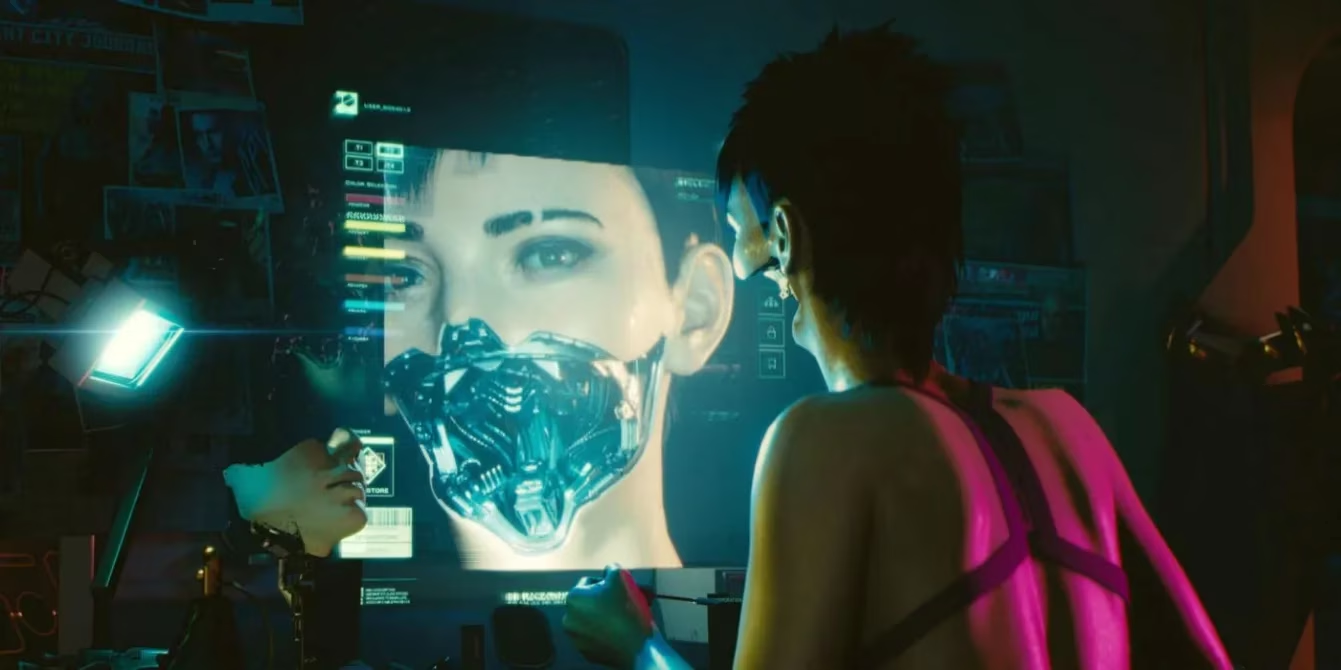
If you can turn your arms into mantis blades and your eyes into targeting scopes, why stop at humanoid? The lore is begging for it. Where are the people who've fully embraced a new form? I'm talking cybernetic cat ears that actually twitch to ambient sound, prehensile tails for balance (or mischief), or full-body modifications that blur the line between person and prototype. This isn't just about aesthetics (though, wow, the customization potential). Imagine a questline centered on a community of "Exotics," facing discrimination or being hunted for their unique chassis. It would add a profound new layer to Night City's social commentary and our own role-playing options.
4. New Gangs: Fresh Faces in the Urban Jungle
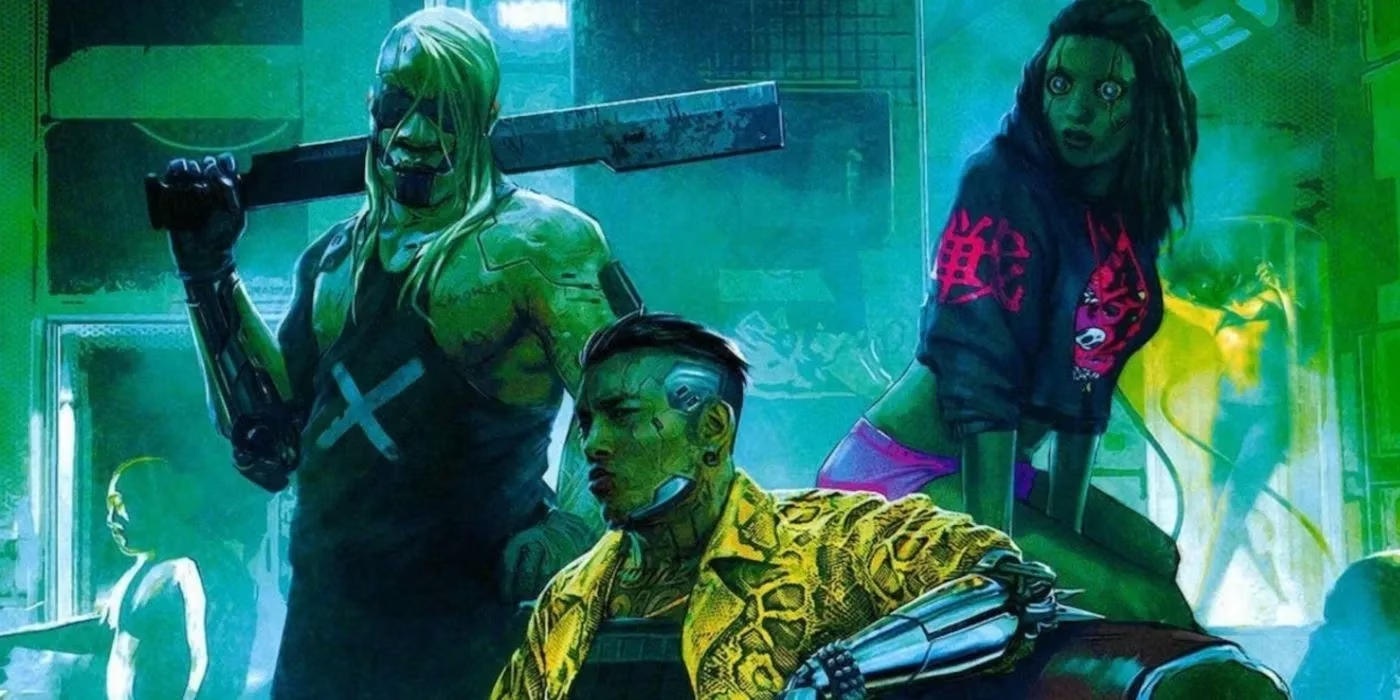
Night City's gang ecosystem in 2077 was vibrant, but the tabletop lore is an ocean of possibilities we barely dipped a toe into. Project Orion needs to cast a wider net. Bring in the Bozos, the psychotic clowns who use terror and bad jokes as weapons. Introduce the Trekkies, a gang obsessed with pre-Collapse media who communicate in ancient TV quotes. These aren't just new enemy types; they're entire new cultures, philosophies, and sources of conflict. They can inject much-needed dark humor and bizarre encounters into the mean streets, reminding us that in this future, weirdness is a survival tactic.
5. Air/Space Travel: Breaking the Skyline
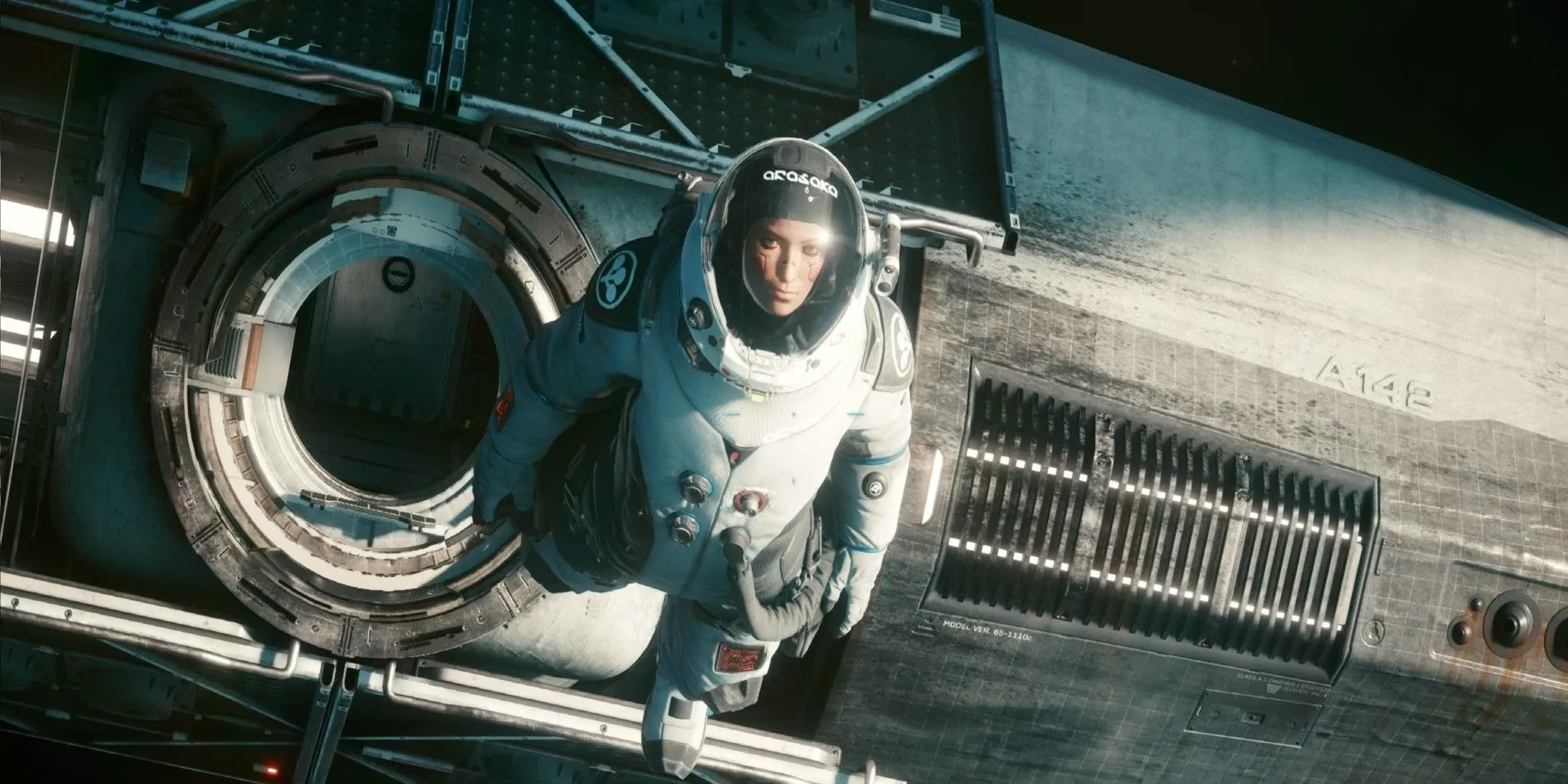
We spent a whole game looking up at those sleek Aerodyne Vehicles (AVs) zipping between megabuildings, and what did we get? A couple of scripted rides. For the sequel, the sky should no longer be the limit. Player-piloted AVs could revolutionize traversal and mission design. Chase sequences through vertical canyons of neon, stealthy insertions on rooftop pads, or even dogfights in the smoggy upper atmosphere. And why stop there? That postcard from the Crystal Palace in one of the endings wasn't just for show. A mission, or even a whole zone, on a space station would be the ultimate power fantasy, showcasing the pinnacle (and isolation) of this universe's technology.
6. Night City University: The Ivory Tower of Chrome
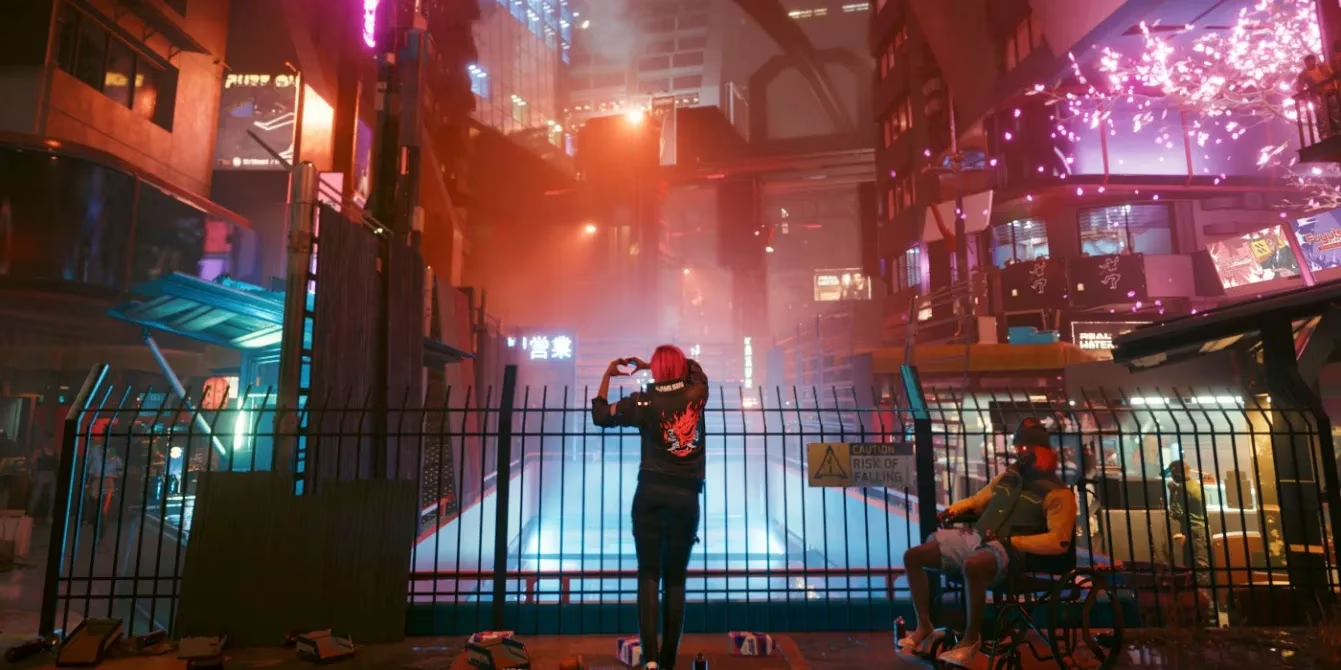
This one's a no-brainer. It's referenced in lore, it exists in the world, but in 2077, it was just... missing. A fully realized Night City University could be one of the sequel's most compelling locations. Think about it: a hub of corporate research, ideological conflict, and youthful rebellion all wrapped in a facade of academia. Questlines could involve corporate espionage in labs, tense debates with radical student groups, or uncovering dark secrets in the university's archives. It's a perfect setting to explore where the next generation of Night City's leaders—or revolutionaries—are being forged.
7. Missions Outside Night City: A Glimpse of a Dying World
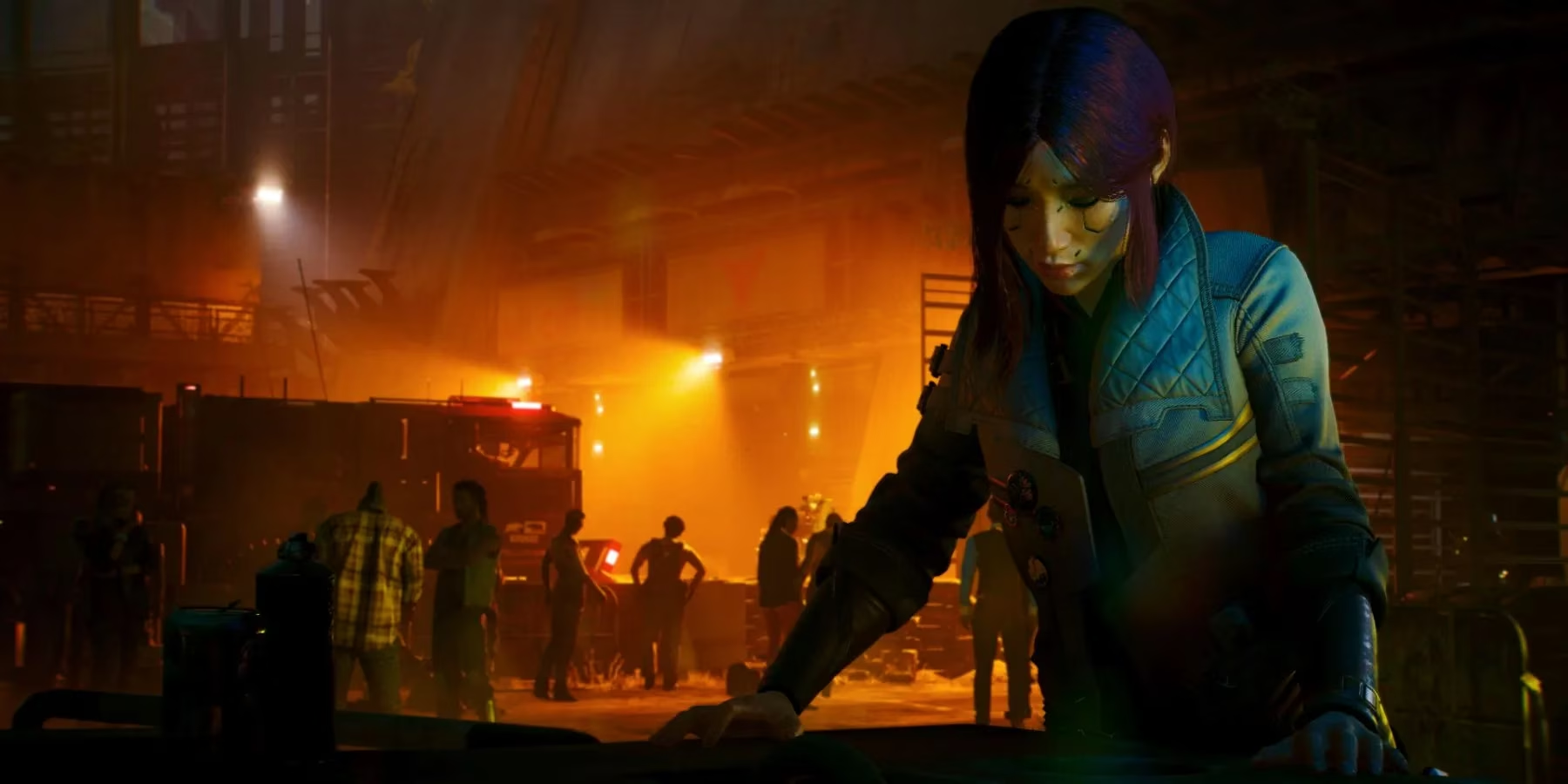
Night City is the star, no doubt. But Project Orion could use brief, impactful missions outside its borders to amplify the game's scale. Imagine a hit job that takes you to a Bioplague-quarantized town in the heartland, where despair has a different flavor than urban cynicism. Or a corporate extraction from an Arasaka black site in Tokyo, offering a starkly different aesthetic of ordered, minimalist dystopia. These wouldn't be open-world zones, but intense, instanced experiences that deepen the world-building. They'd answer a burning question: Is the whole world this bad? (Spoiler: It's probably worse.)
8. Terraforming: Leaving a Mark
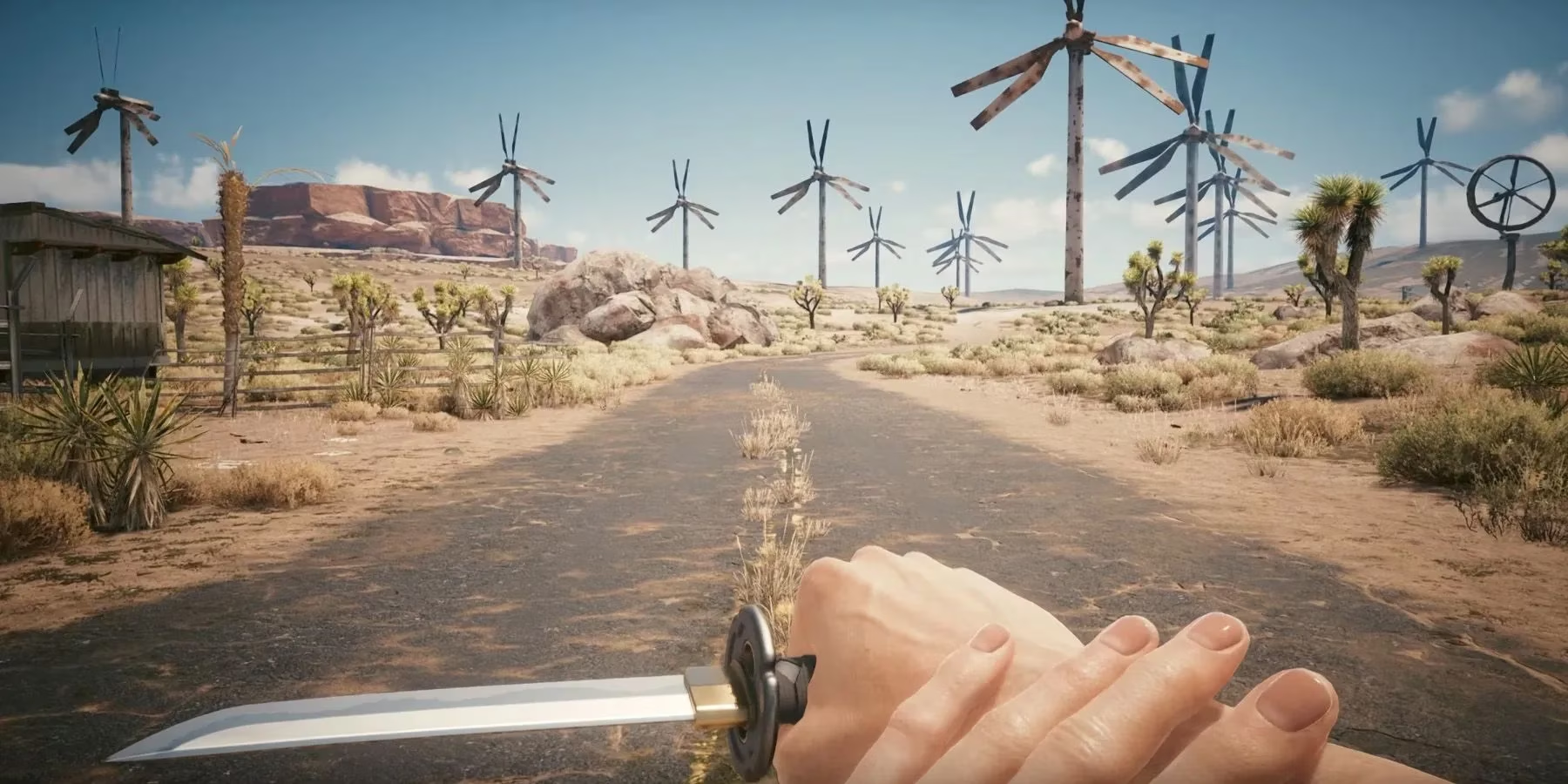
Okay, hear me out. I'm not asking for Night City Farmer Simulator 2026. But in the Badlands or in bombed-out city sectors, what if we could do more than just loot and leave? A limited terraforming or settlement-building system could be a powerful endgame money and resource sink. Using your hard-earned Eurodollars to clean up a toxin dump, set up a water purifier for a group of nomads, or fortify a haven against scavengers. It would provide a tangible, quiet counterpoint to the game's chaos—a small chance to be a fixer in the truest sense, and leave a tiny corner of the world slightly less terrible than you found it. That's a different kind of power.
9. Tie-In With the Live-Action Series: A Shared Universe
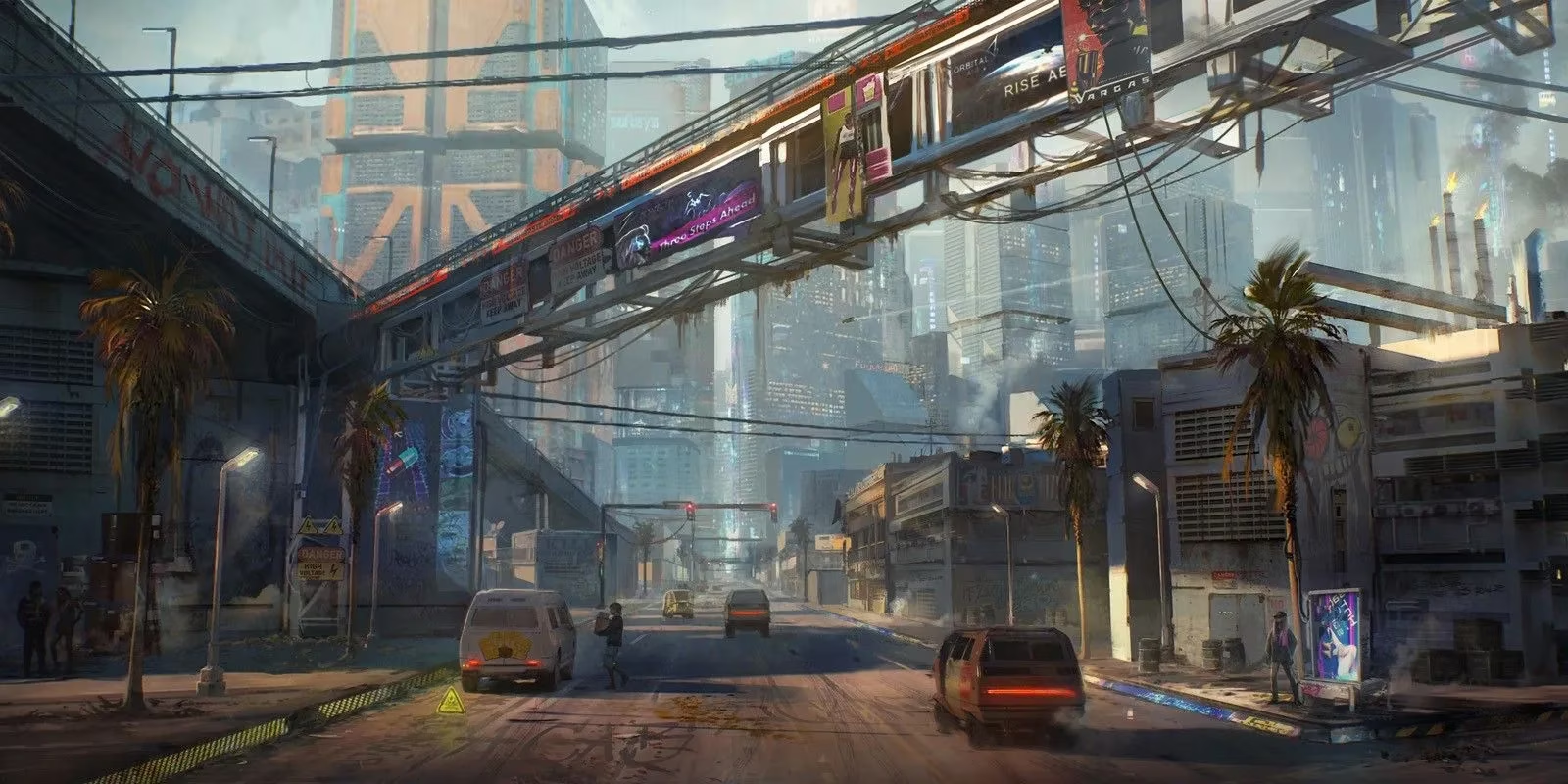
With a live-action Cyberpunk series confirmed and in development, the timing is perfect. Project Orion shouldn't just drop a poster for the show in-game; it should weave threads from that story into its own fabric. Maybe a major character from the show becomes a fixer in our game. Perhaps a mission has us cleaning up the aftermath of an event shown on screen. The success of the Edgerunners crossover proved how powerful this synergy can be. Starting this partnership early in development could create a truly cohesive and expanding Cyberpunk universe across mediums, something pretty rare and special.
10. More Involved Netrunning: Building in the Digital Void
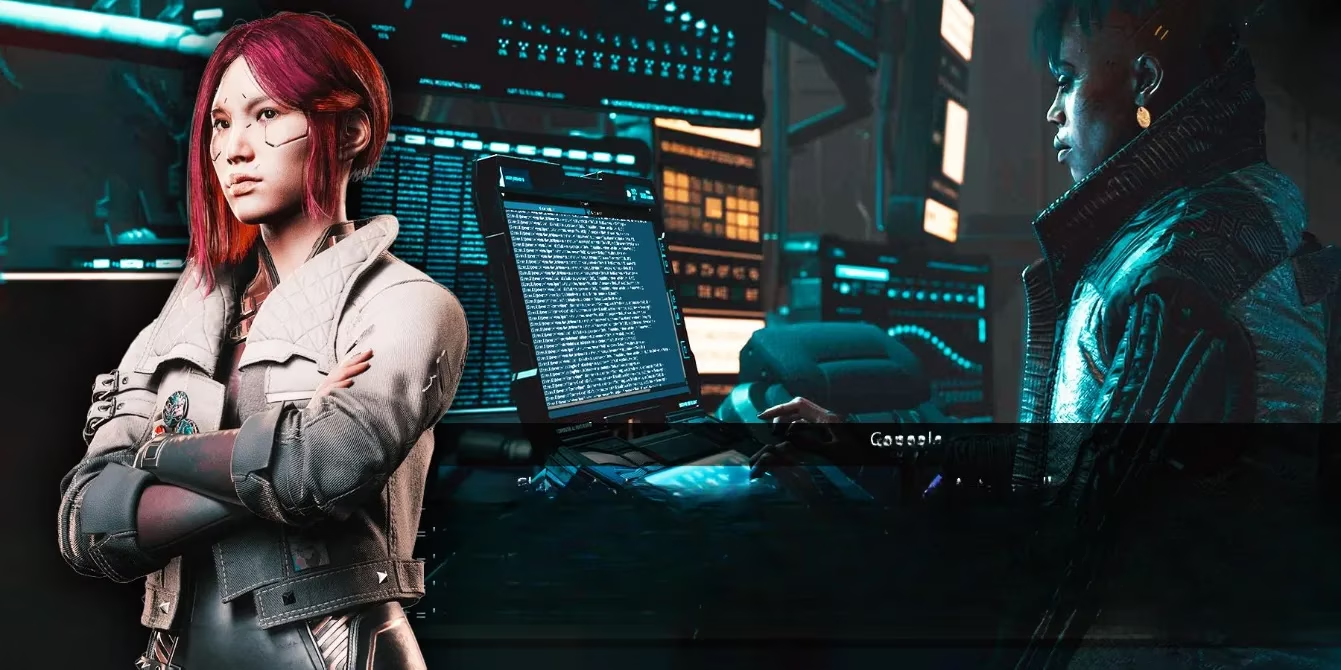
Netrunning in 2077 was fun, but it was largely a combat and hacking minigame. The tabletop game treats the Net as a world unto itself, and the sequel should too. I'm dreaming of a personal "Holodeck" space—a customizable digital apartment or training ground that we can shape. Build a racetrack for your mind, a virtual shooting range, or an archive of your exploits. And why stop there? Let us customize our physical Netrunning chair in the real world with trophies, lighting, and tech, turning it into a command center that reflects our journey. This would transform Netrunning from a tool into a home, deepening our connection to the digital soul of the Cyberpunk world.
So, there you have it. The road to Project Orion is a long one, and in 2026, we're still waiting for that first concrete glimpse. But if CD Projekt Red can channel the lessons learned from 2077's rebirth and dare to dream as big as its community does, the sequel has the potential to do more than continue a story—it could redefine the scope of an entire genre. In the meantime, I'll be here in Night City, watching the AVs fly by and wondering what's next. The future, after all, is never just chrome and neon; it's potential.